Your Solo Stove fire pit doesn't need much upkeep. That's the point of 304 stainless steel and a design built to run hot and burn clean. But a few minutes of care after each use, and a slightly longer routine at the end of each season, is the difference between a fire pit that looks and performs like new for years and one that rusts, clogs, or dents early.
This guide covers everything: how to clean your fire pit, how to store it through every season, and model-specific tips for the Ranger, Bonfire, Summit, Basecamp, Yukon, Canyon, Mesa, and Infinity Flame.
Quick answer: How do you clean a Solo Stove fire pit? Let it cool completely, remove the base plate and empty the ash pan (tip it over or use a shop vac), wipe the interior with a dry cloth, and clean the exterior with mild soap and water or a stainless steel cleaner like Bar Keepers Friend for tougher spots or patina polishing. Store it covered or indoors when not in use.
1. How to Clean Your Solo Stove Fire Pit (Step by Step)
- Let it cool completely. Never handle, tip, or vacuum a fire pit that's still warm to the touch.
- Remove the base plate and empty the ash pan. Tip the fire pit upside down over a trash bag or metal bucket, or use a shop vacuum with a hose attachment if it's easier for your model or setup.
- Wipe down the interior with a dry or slightly damp cloth to clear any remaining soot or fine ash, this keeps the bottom vent holes clear so airflow (and the smokeless burn) keeps working properly.
- Clean the exterior with mild dish soap, warm water, and a soft cloth for everyday grime. For fingerprints, water spots, or a full polish, a non-abrasive stainless steel cleaner such as Bar Keepers Friend works well - apply with a damp rag and rub in the direction of the steel's grain.
- Dry it completely before covering or storing it, especially if it was recently rained on.
- Check the vent holes on both the interior and exterior walls periodically to make sure ash buildup isn't blocking airflow, this is what keeps the secondary burn (and the smokeless performance) working as designed.
Cleaning after every burn takes less than five minutes and is the single biggest factor in how long your fire pit stays rust-free and performing at its best.
2. Choosing the Right Wood and Fuel
The fuel you burn has a direct effect on how much cleaning your fire pit needs. Hardwoods - like oak, pecan, or hickory - and harder softwoods like juniper or cedar are the best choice because they're seasoned, meaning most of the moisture has evaporated out. Wet or green wood burns smokier and leaves more residue behind, which means more frequent cleaning.
You can also run wood pellets in most models using a Pellet Adapter. Hardwood pellets burn cleanly and evenly; softwood heating pellets burn a bit faster and shouldn't be used for cooking. Either way, pellets tend to leave less ash behind than firewood, which can mean less frequent ash-pan emptying.
Shop firewood, pellets, and fire starters →
3. Understanding Patina (It's Normal)
After a handful of burns, you may notice gold and blue hues developing on the metal, that's the patina, and it's completely normal. It's caused by the 304 stainless steel reacting to the intense heat inside the fire pit, and it doesn't affect performance at all. Plenty of owners treat it as a badge of honor for the fires they've enjoyed.
If you'd rather keep your fire pit looking as shiny as day one, a light polish with a non-abrasive cleaner like Bar Keepers Friend, applied with a damp cloth in the direction of the grain, will restore the original finish.
4. Storage and Covering Between Uses
Moisture is the main threat to the inside of your fire pit, specifically the base plate and ash pan, which can be damaged by prolonged dampness. If you're storing your fire pit outdoors between uses:
- For a quick overnight cover, once the fire is fully cooled, a Lid keeps debris out and doubles as a tabletop surface when the pit isn't in use.
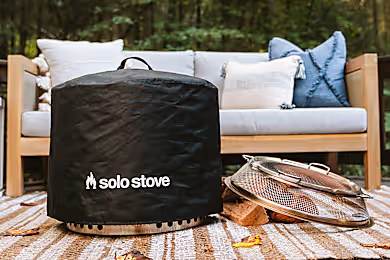
- For longer-term outdoor storage, a Shelter provides full weather protection - it's made from the same PVC-coated polyester used in whitewater rafts, with a domed top that keeps rain from pooling.
- For an organized setup, a Station stores your fire pit, firewood, and accessories together under one weatherproof cover, off the ground and protected from rain, snow, and ice.
A little exterior moisture is fine as long as you towel it off, it's sustained dampness inside the pit that causes problems over time.
Shop covers, lids, and storage →
5. Protecting Heat-Sensitive Surfaces
If you're setting your fire pit up on a wood deck, composite decking, stained concrete, grass, or any other heat-sensitive surface, use a Stand. It raises the fire pit off the surface and allows cool air to circulate underneath, minimizing heat transfer. This isn't strictly a cleaning step, but it protects both your fire pit and the surface beneath it from scorching, staining, or warping. Read more on when to use a Stand →
6. Seasonal Maintenance Calendar
- Spring (start of season) - Inspect for any rust spots or damage from winter storage. Give the exterior a full clean and polish before your first burns of the year. Check vent holes for any nesting debris if stored outdoors.
- Summer (peak use) - Empty the ash pan after every burn or every few uses if burning frequently. Wipe down the exterior weekly if it's in heavy rotation. Keep a cover on between uses to protect against sudden storms.
- Fall (tapering off) - Continue regular ash removal. Start planning end-of-season storage. This is a good time to fully clean and dry the fire pit before temperatures drop and it sees less use.
- Winter (off-season storage) - Do a deep clean: empty all ash, wipe the interior and exterior fully dry, and store indoors (garage, shed, basement) if possible. If it must stay outside, use a Shelter and check periodically for moisture buildup or snow load.
7. Care Tips by Model
- Ranger 15" - The most portable model, which means the most handling. Check for dents or scrapes after transport and empty the ash pan after every camping trip or tailgate before it goes back in the car.
- Bonfire 19.5" / Summit 19.5" - The most-used size in most households. Because it sees frequent burns, it benefits most from a simple after-every-use habit: empty ash, wipe down, cover.
- Basecamp 24" / Summit 24" - A larger ash pan means you can go a bit longer between empties, but don't skip the vent-hole check - more surface area means more potential spots for ash to build up and restrict airflow.
- Yukon 27" / Summit 27" - The weight (around 38 lbs) makes this less of a "carry inside every night" fire pit, so a Shelter or Station for outdoor storage is worth the investment if it's a permanent backyard fixture.
- Canyon 30" - The largest and heaviest pit in the lineup. Plan on a dedicated storage solution like Station rather than moving it indoors regularly, and use a Stand if it sits on any heat-sensitive surface long-term.
- Mesa / Mesa XL - Because it's tabletop-sized, ash builds up in a much smaller space, empty it after every use rather than letting it accumulate over several burns. If burning pellets, check that the pellet adapter or fuel grate is clear of fine ash residue before each light.
- Infinity Flame (propane) - No ash to manage, but check the burner ports periodically for dust or debris, wipe down the surround and glass/media after use, and inspect the propane connection and hose for wear before each season.
Frequently Asked Questions
How do I clean a Solo Stove fire pit? Let it cool fully, empty the ash pan, wipe the interior dry, and clean the exterior with mild soap and water or a stainless steel cleaner. Dry completely before covering or storing.
How often should I clean my Solo Stove? Empty the ash pan after every use or every few uses if you burn frequently. A deeper exterior clean once every few weeks during heavy-use seasons, and a full clean before long-term storage, is enough for most owners.
Is the gold and blue patina bad for my fire pit? No. Patina is a normal reaction of the 304 stainless steel to high heat and doesn't affect performance. It can be polished off with a stainless steel cleaner if you prefer the original finish.
Can I use Bar Keepers Friend on my Solo Stove? Yes. Apply a small amount with a damp cloth and rub in the direction of the steel's grain to remove tougher residue or restore shine.
Can I leave my Solo Stove outside all winter? You can, but it's not ideal for the ash pan and base plate, which are more vulnerable to prolonged moisture. If it must stay outdoors, use a Shelter for full weather protection and check periodically for water pooling or snow buildup.
What's the easiest way to remove ash without tipping the fire pit over? Use a shop vacuum with a hose attachment once the fire pit is completely cool. This works well for larger or heavier models where tipping isn't practical.